Menopause supplements and 6 herbs backed by research
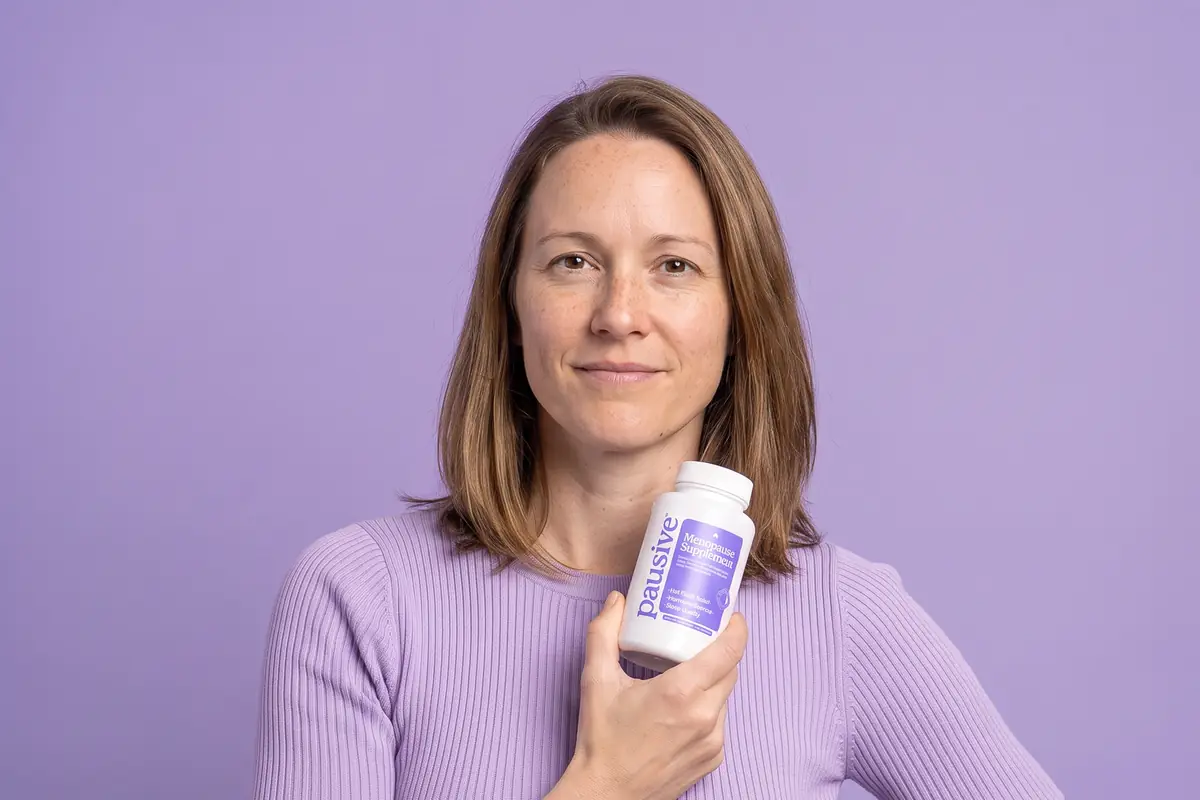
Menopause supplements are one of the first places women look when hot flashes, warm nights, or a shorter fuse start showing up in daily life.
The shelf is crowded, and most labels never explain what each ingredient is there to do.
This guide covers which ingredients have research behind them, how to read a label, and what a good menopause supplement looks like at each stage.
What supplements help with menopause symptoms
Most menopause supplements are built around the symptoms women report most. Knowing which one you want support for makes the rest of the choice much easier.
Supplements for hot flashes and night sweats
Hot flashes are the most studied symptom, so this is where botanical research is strongest. Night sweats are the same heat response arriving at night.
If heat is your main concern, look for a formula built around hot flash relief, with botanicals like black cohosh, sage, and red clover.
Support for sleep and mood
Many women find their sleep improves once warm nights settle. That link between menopause and sleep is why heat and rest are often supported together.
Irritability and mood changes often track with poor sleep and shifting hormones, so a steady daily routine helps on more than one front.
Herbal supplements for menopause with research behind them
A handful of botanicals appear in most well-designed formulas. Here is what the research on each individual ingredient found.
1. Black cohosh
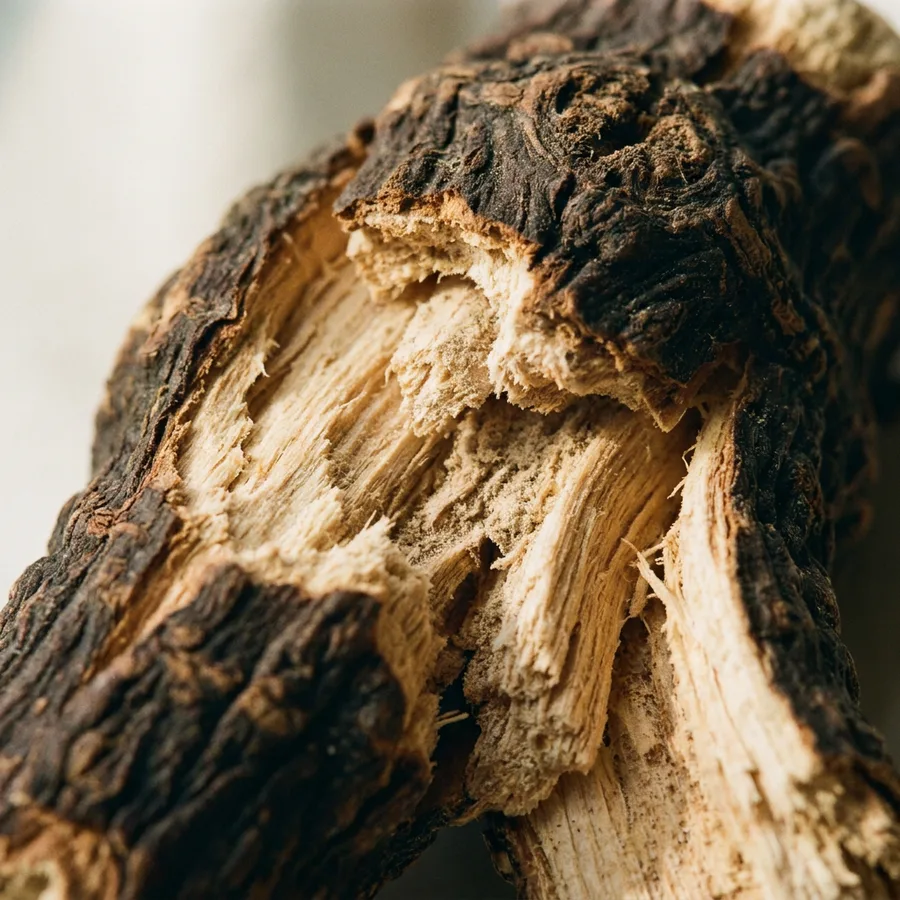
Black cohosh is a North American plant whose root has been used for women's health for centuries. It is the most widely used herb for menopause today.
Researchers think it may work through serotonin pathways rather than acting like estrogen.
A 2010 meta-analysis in Alternative Therapies in Health and Medicine found black cohosh preparations improved hot flashes and related symptoms by about 26% compared with placebo.
Results vary between trials, and a 2012 Cochrane review called for larger studies. It is still a common pick for night sweat relief formulas.
2. Soy isoflavones
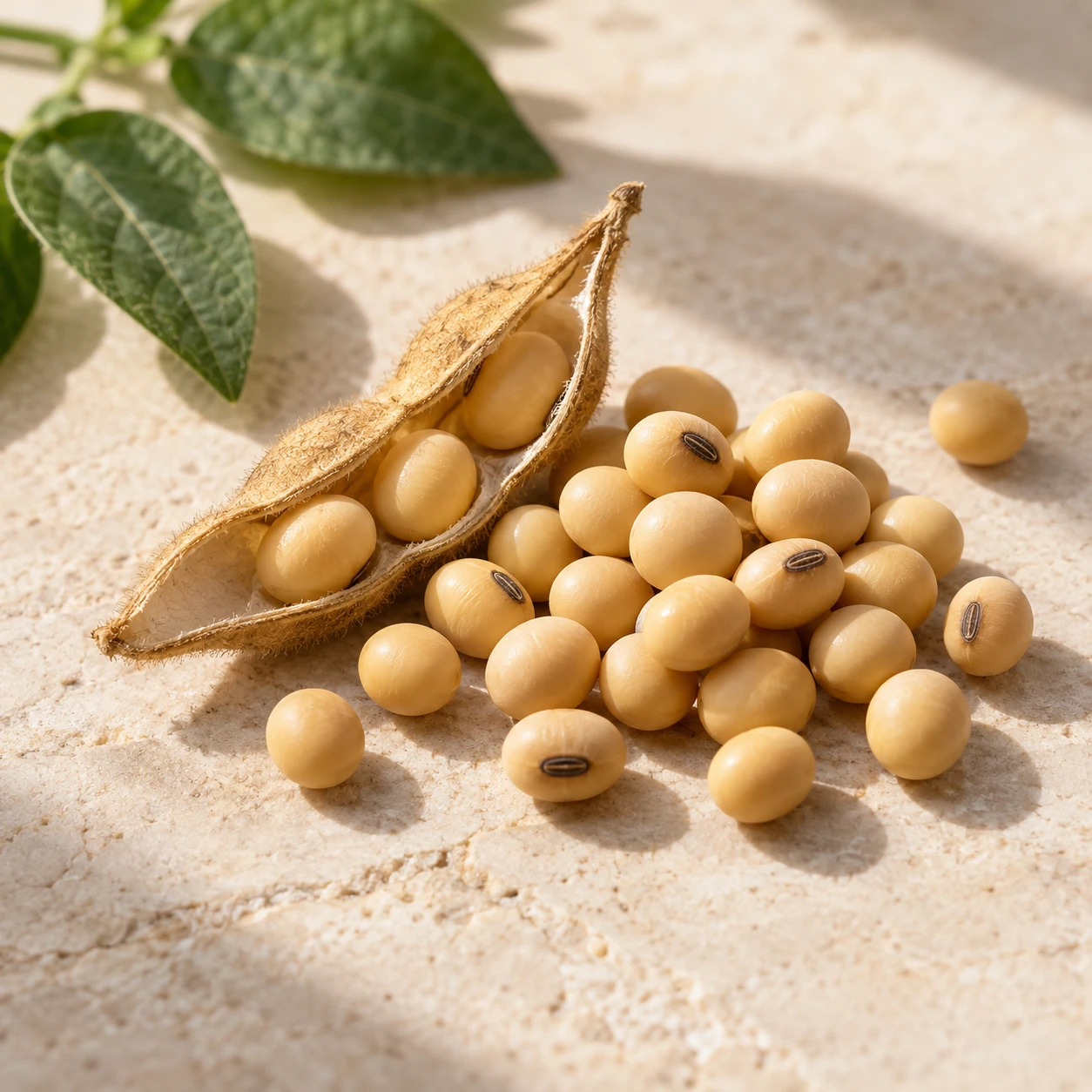
Soy isoflavones, mainly genistein and daidzein, are plant compounds with a structure similar to estrogen.
Interest began when researchers noticed women in Japan, who eat more soy, reported fewer hot flashes.
A 2012 meta-analysis of 17 trials in Menopause found they reduced hot flash frequency by about 21% and severity by about 26%, at a median of 54 mg a day.
The effect built gradually over several weeks, so soy rewards steady daily use more than occasional doses.
3. Red clover
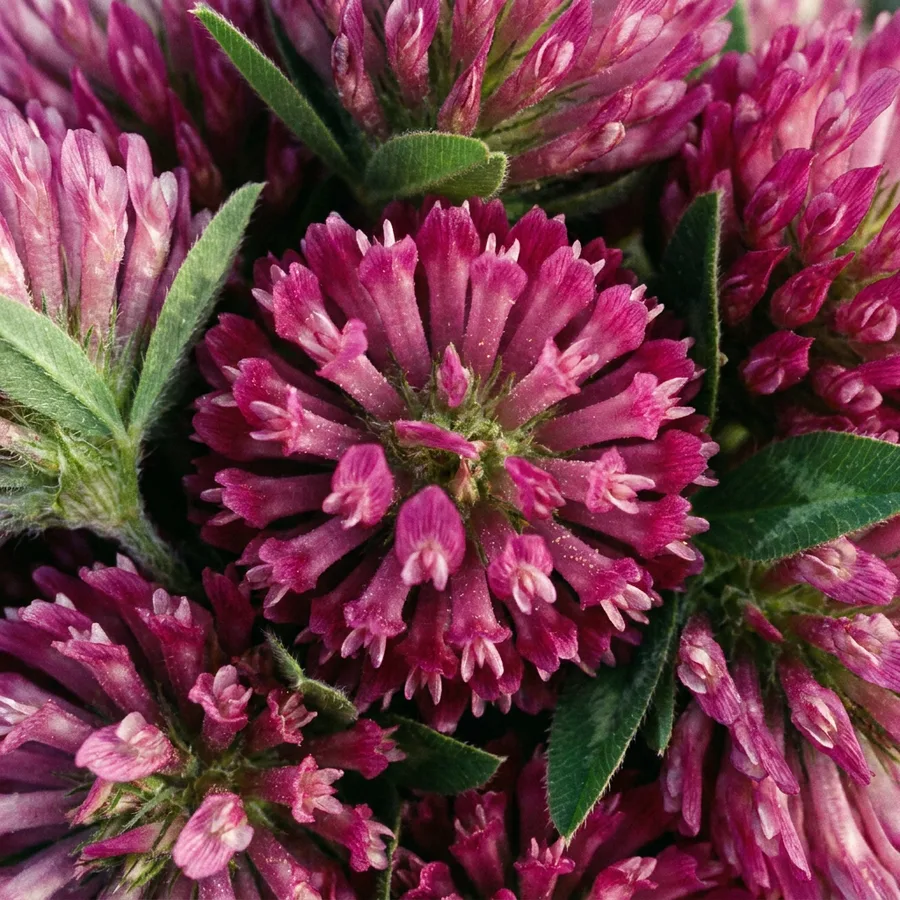
Red clover is a meadow plant whose blossoms carry four different isoflavones, including the two found in soy. That is why the two often appear in the same formula.
A 2021 meta-analysis in Nutrients found red clover extract lowered the number of daily hot flashes compared with placebo, with the clearest effect in women who had frequent ones.
4. Sage leaf extract
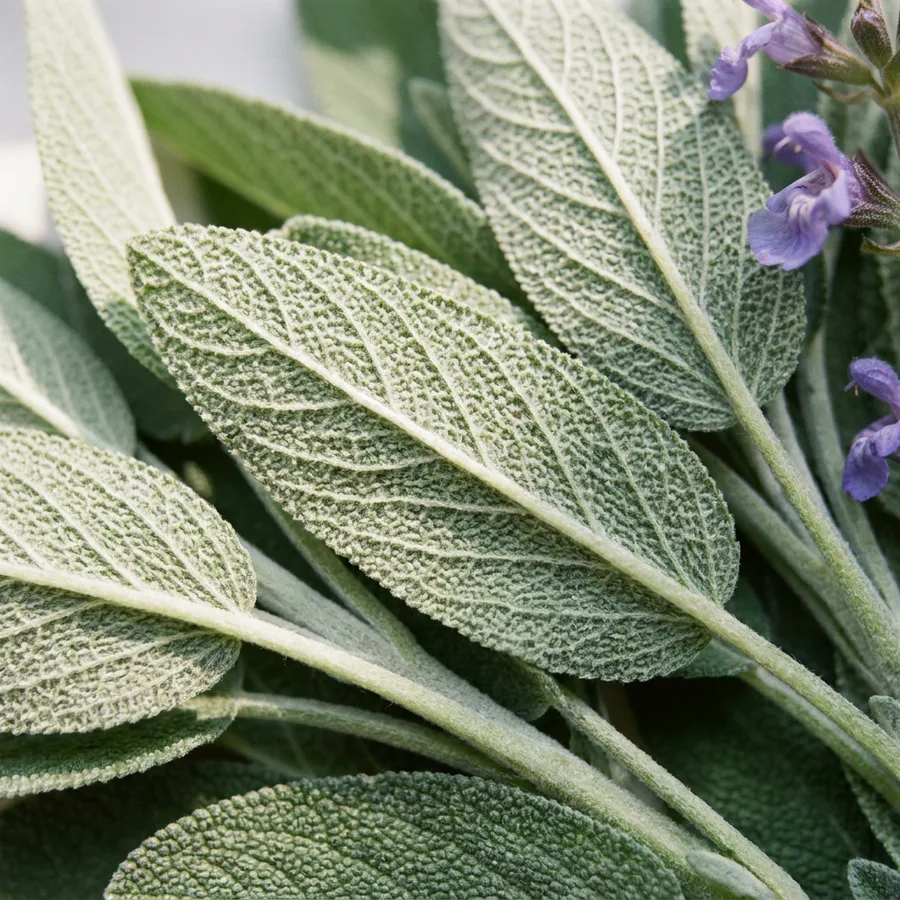
Sage is the same herb you cook with. It has been used for excessive sweating for generations, which is what first drew researchers to it for hot flashes.
In a 2011 study of 71 women, a daily sage preparation cut hot flashes by 50% at four weeks and by 64% at eight weeks.
That study had no placebo group, so it points in a promising direction rather than settling the question.
5. Chasteberry
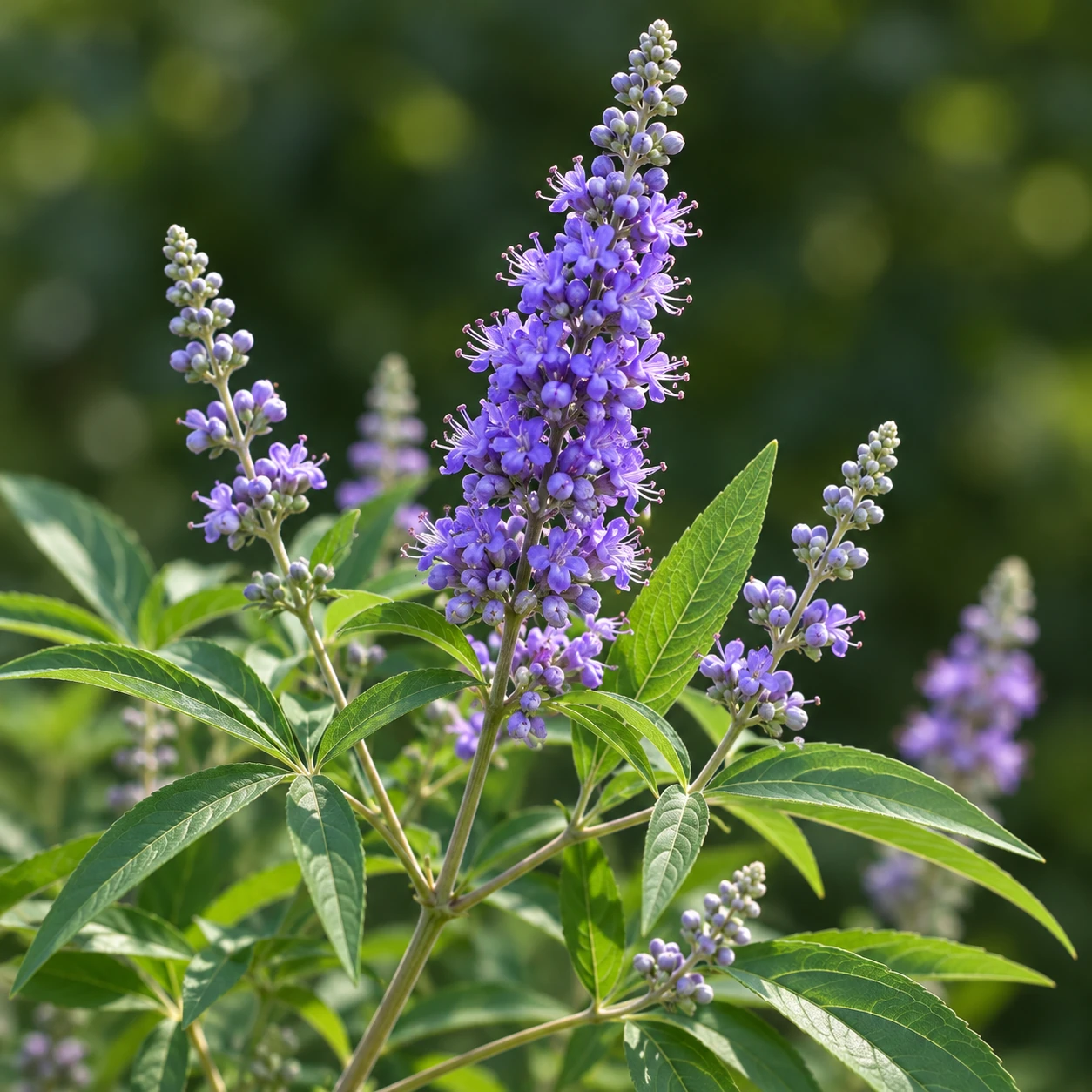
Chasteberry is the fruit of a Mediterranean shrub, also sold as vitex. It is thought to work on prolactin, a hormone tied to cycle comfort, rather than on estrogen directly.
It is best known from cycle research. A 2001 trial in the BMJ found 52% of women taking it saw PMS symptoms improve, compared with 24% on placebo.
That makes it relevant in perimenopause, when cycles are still running and PMS relief is part of the picture.
6. Dong quai
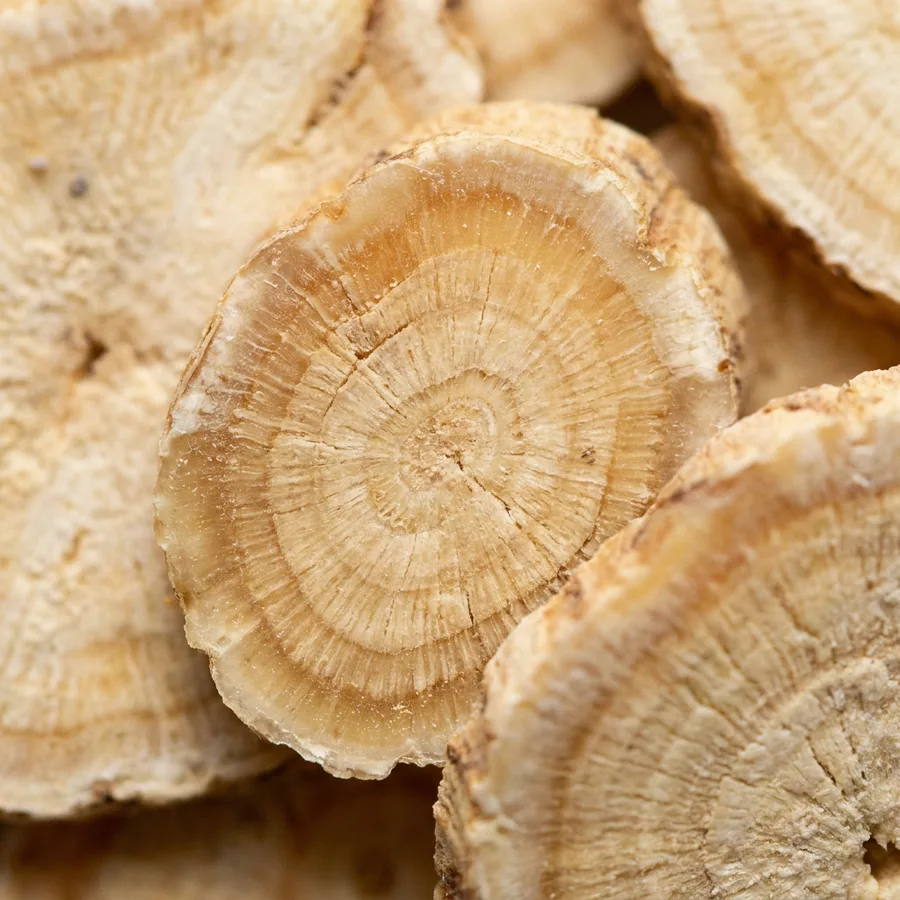
Dong quai is a root from traditional Chinese medicine, where it is often called "female ginseng" for its long use in women's health.
On its own, a 1997 trial found it did no better than placebo for hot flashes. That is why formulas pair it with other botanicals rather than using it alone.
Natural supplements vs vitamins for menopause
Menopause vitamins and natural botanical supplements often sit side by side on the shelf, but they answer different questions.
Where vitamins fit
Vitamins and minerals cover nutritional needs that grow with age. The NIH recommends 1,200 mg of calcium a day for women over 50, and vitamin D helps the body use it.
Low B12 can add to menopause fatigue, and magnesium is a common gap. A blood test is the best way to know what you actually need.
Where botanicals fit
Botanicals are chosen for symptoms rather than nutrient gaps. That is why a formula for hot flashes names herbs like black cohosh and sage instead of a long list of vitamins.
Many women use both: a basic vitamin routine for bone and energy needs, and a botanical formula for the changes they feel day to day.
How to choose the best supplement for menopause
The best supplement for menopause is the one that matches your symptoms, shows its doses, and fits a routine you will keep.
Read the dose, not the ingredient count
A label with 20 ingredients can hide token amounts of each. Look for a supplement facts panel that lists every active in milligrams, then compare those amounts with the doses used in research.
Check the serving and the supply
Note how many capsules make one serving and how many days a bottle lasts. A formula taken once a day with a meal is far easier to keep up than one that needs several doses.
Look for research you can trace
A trustworthy brand names the ingredient, the study, and what it measured. It should be clear when a study tested one ingredient rather than the finished product.
Menopause supplement timing
Botanicals work gradually, so a fair test takes weeks, not days.
How long to give it
Most botanical trials measure results at 8 to 12 weeks. Take your supplement daily, preferably at the same meal, and track your symptoms for a few weeks before you decide.
Menopause supplement FAQs
What is the best supplement for menopause?
There is no single best supplement for every woman. For hot flashes, black cohosh, soy isoflavones, red clover, and sage leaf have the most research. Pick a formula that shows each dose clearly.
How long do menopause supplements take to work?
Most studies measure results after 8 to 12 weeks of daily use. Some women notice changes sooner, but a fair test takes about two to three months.
Do menopause supplements really work?
Some ingredients do show benefits in controlled trials, mainly for hot flashes. Results vary from person to person, and dose and consistency make a real difference.
Can you take menopause supplements with HRT?
Ask your doctor first. Isoflavones from soy and red clover act on estrogen receptors, so combining them with hormone therapy should be a medical decision.
What vitamins should a woman take during menopause?
Calcium, vitamin D, vitamin B12, and magnesium are the most common needs. A blood test shows which ones you actually need.
Are natural menopause supplements safe?
Most are well tolerated at label doses. Rare liver problems have been reported with black cohosh, so check with a doctor if you have a liver condition or take regular medication.
Do menopause supplements help with weight gain?
No supplement has strong evidence for weight loss during menopause. Strength training, enough protein, and better sleep have the clearest support.