6 Natural alternatives to HRT for menopause
· Pausive

Natural alternatives to HRT are what many women look for when the hot flashes start and hormone therapy doesn't feel right, or isn't an option at all.
The good news: you have more choices than "hormones or nothing." Some plants have real research behind them, and a few habits make the heat easier to live with.
This guide covers what works, what doesn't, and how to build a routine for hot flash relief without hormones.
Are alternatives to HRT right for you?
Alternatives to HRT usually make sense in one of two situations. You can't take hormones, or you'd rather not, at least not first.
If your doctor has ruled out hormones
Doctors usually advise against HRT after breast cancer, blood clots, stroke, or some liver conditions. If that's you, a non-hormonal path isn't a preference, it's the plan.
If you'd rather start gently
The Women's Health Initiative reported risks for combined hormone therapy in 2002, and many women still feel cautious about it. If your symptoms are mild, a plant-based routine is a sensible first step.
Is there such a thing as natural HRT?
Not exactly. No plant puts estrogen back into your body the way hormone therapy does.
What natural estrogen supplements really do
What some plants do have are phytoestrogens, compounds that bind weakly to estrogen receptors. Soy and red clover are the best known, and they are far weaker than your own estrogen.
Other botanicals, like black cohosh and sage, seem to ease heat without acting like estrogen at all. That's why they're often the first choice for women told to avoid estrogen.
The best options for natural menopause treatment
These six cover the plants with the most research for hot flashes and night sweats, plus two habits that make the heat easier to manage. Most women get the best results by combining a few.
1. Black cohosh
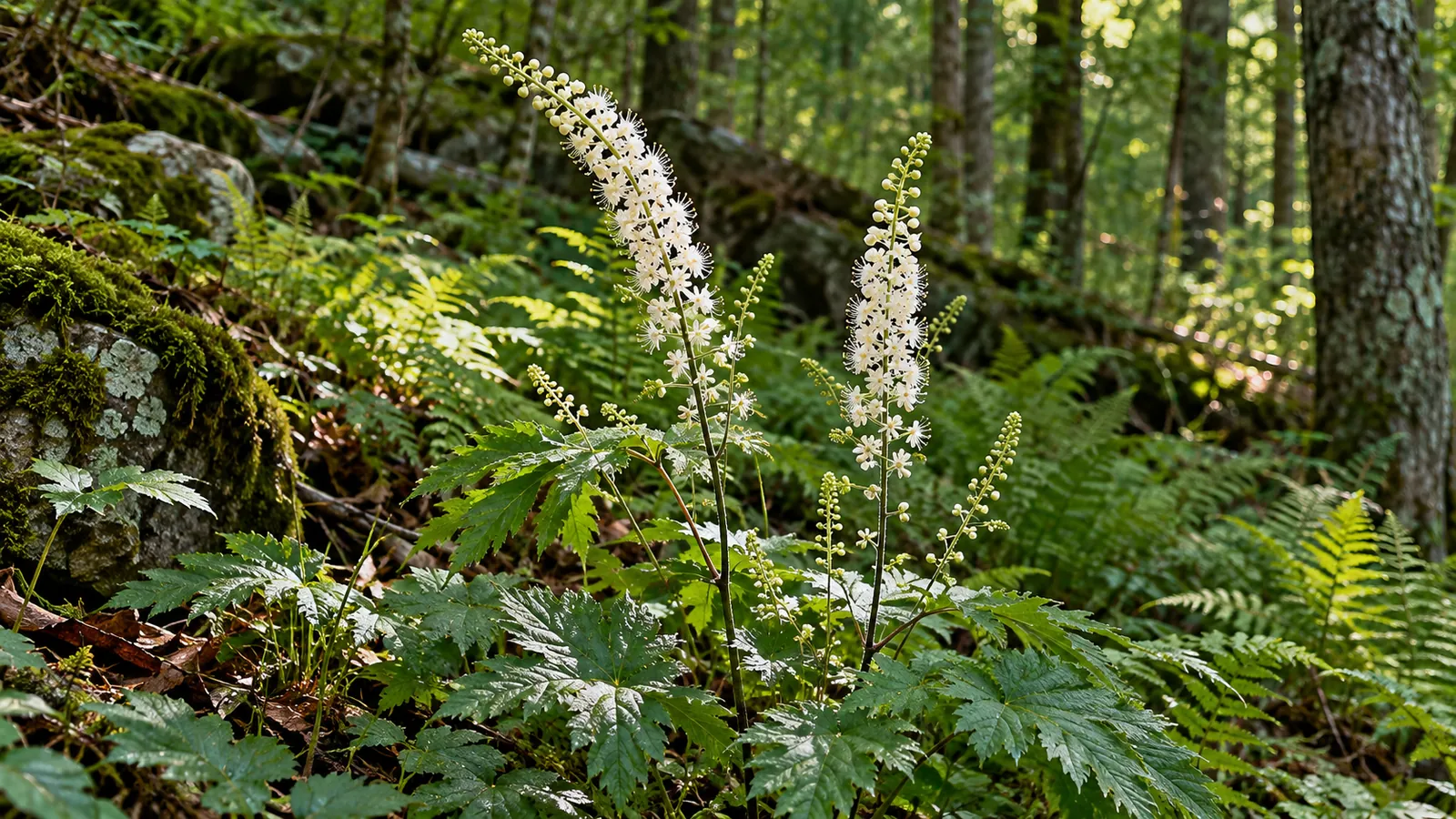
Black cohosh is a North American root and the most widely used herb for menopause. It contains no hormones.
A 2010 meta-analysis in Alternative Therapies in Health and Medicine found it improved hot flashes and related symptoms by about 26% compared with placebo.
Rare liver problems have been reported, so stop and call your doctor if you notice dark urine or yellowing skin.
2. Sage leaf
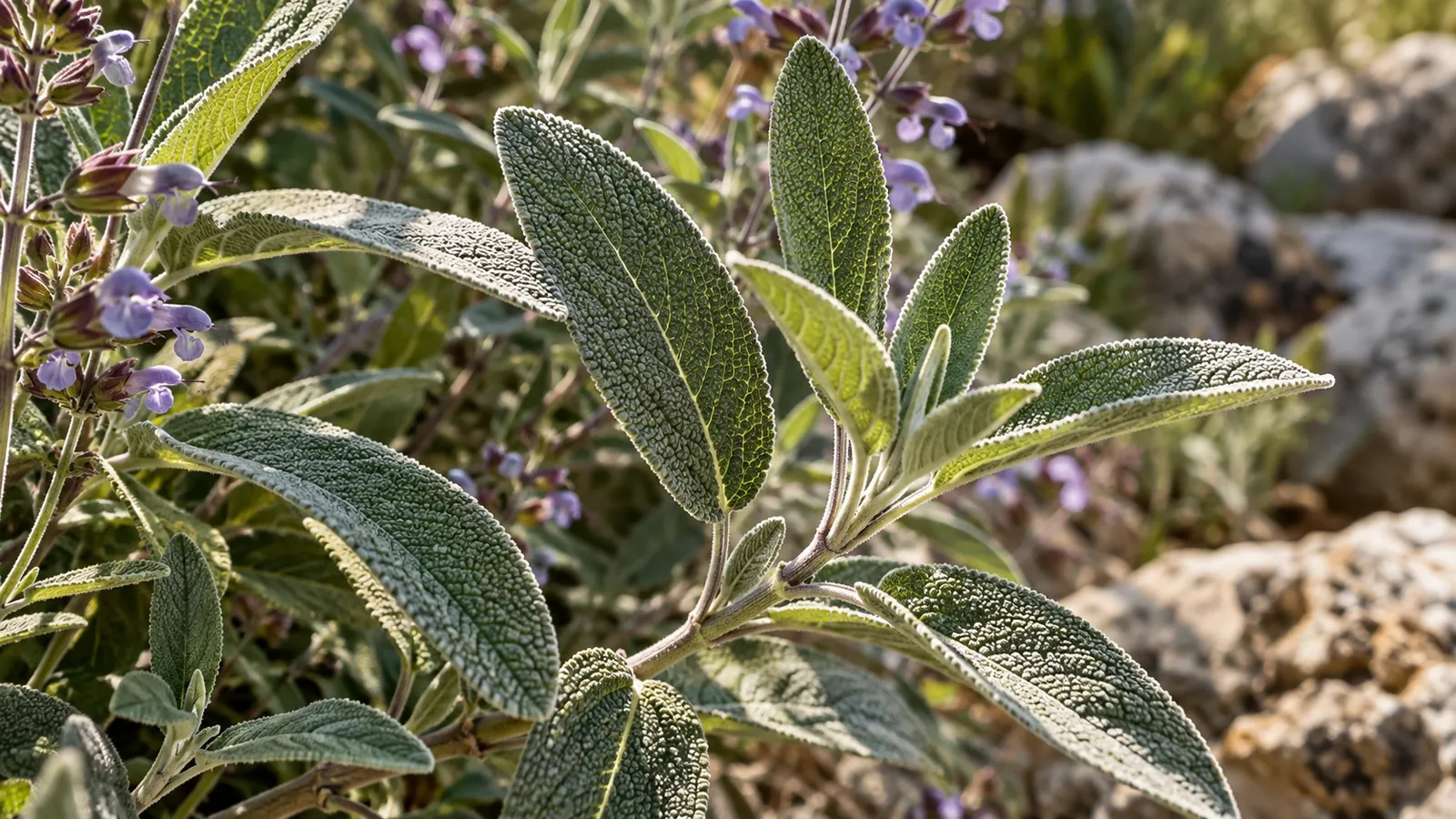
Sage is the kitchen herb, and it has been used for heavy sweating for generations. Like black cohosh, it isn't a phytoestrogen.
In a 2011 study in Advances in Therapy, 71 women took fresh sage daily. Hot flashes dropped by 64% at eight weeks, though the study had no placebo group.
It's a natural fit for night sweat relief, when the same heat arrives at 3 a.m.
3. Soy and red clover

Soy and red clover share the same isoflavones, which is why they often appear together in one formula.
A 2012 meta-analysis of 17 trials in Menopause found soy isoflavones cut hot flash frequency by about 21% versus placebo. Red clover lowered daily hot flashes in a 2021 review in Nutrients.
Both are phytoestrogens, so ask your doctor first if you have a hormone-sensitive condition. Our guide to non-hormonal menopause supplements covers each one in depth.
4. Chasteberry
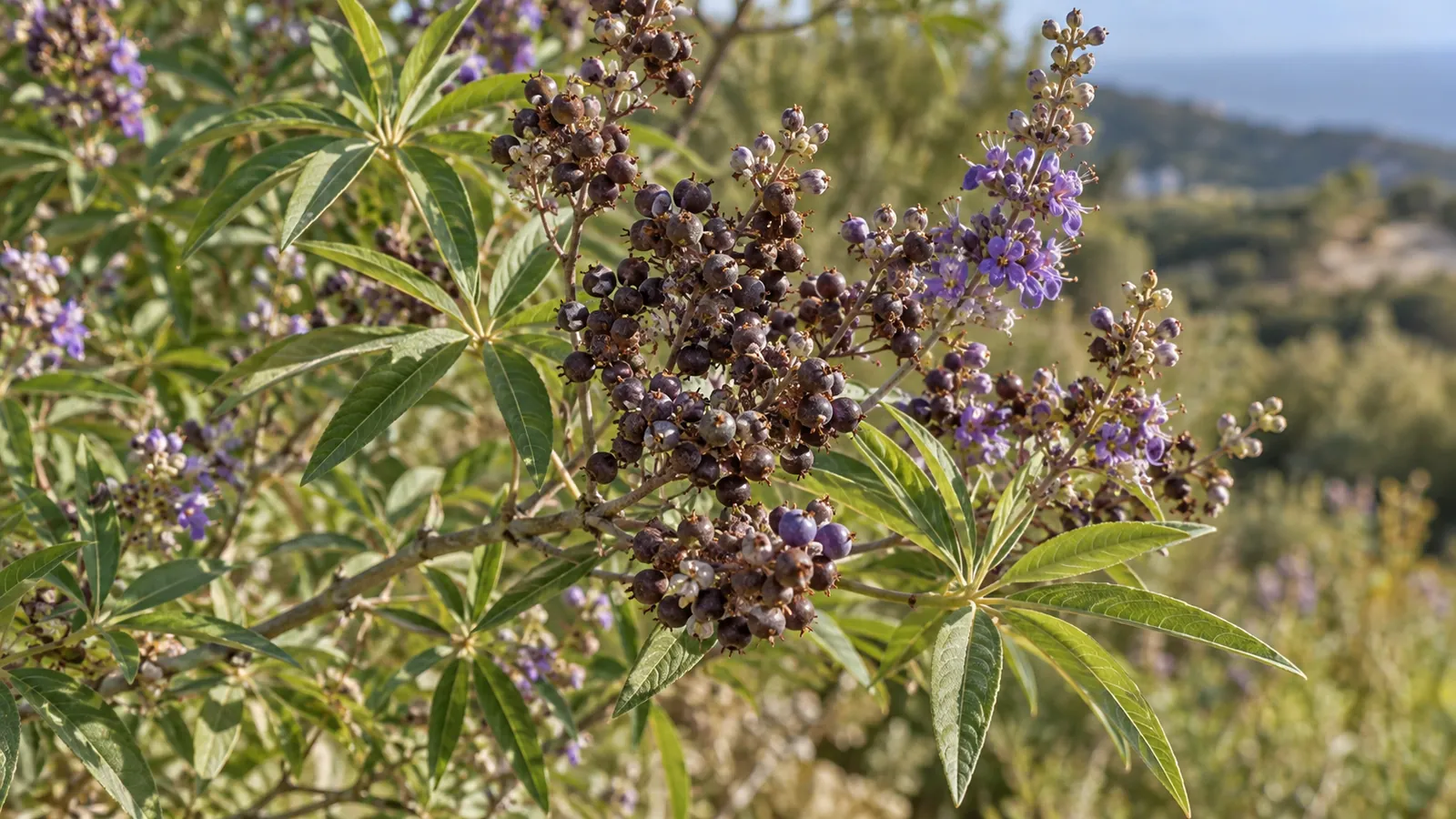
Chasteberry, also called vitex, is the one to know if your periods are still coming. It's thought to act on prolactin, without supplying any hormone.
A 2001 trial in the BMJ found 52% of women saw PMS symptoms improve, compared with 24% on placebo. That makes it a staple of any perimenopause supplement.
5. Move most days
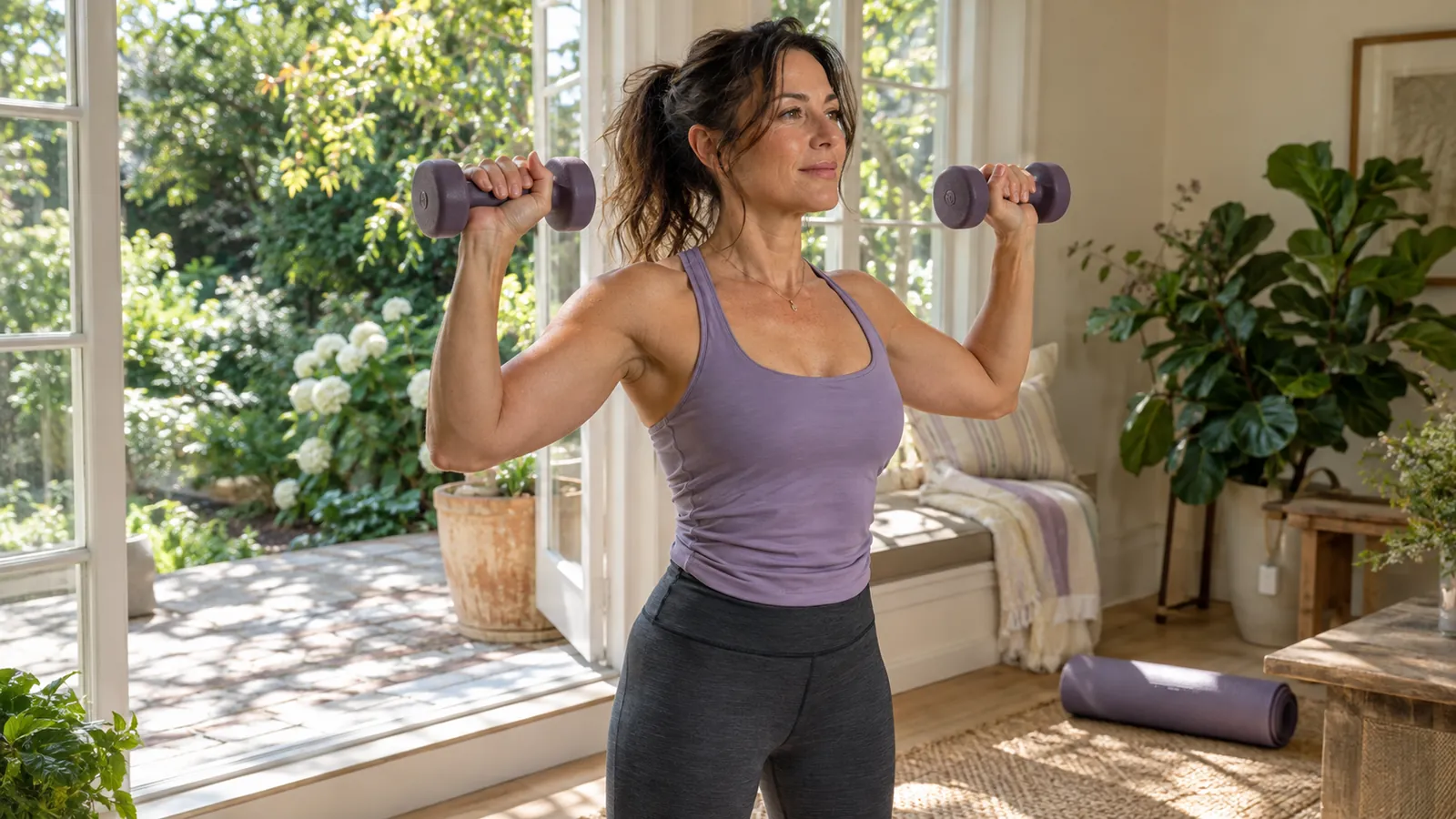
Exercise won't switch off hot flashes. A 2014 Cochrane review found too little evidence that it cuts them on its own.
But it helps with much of what HRT is prescribed for: deeper sleep, steadier moods, and stronger bones. If menopause mood swings are part of your picture, a daily walk is a good place to start.
6. Keep cool and skip your triggers

Many women notice alcohol, hot drinks, spicy food, and stress set off a flash. Jot down what came before the last few, and the pattern usually shows.
At night, a cool room, light layers, and a fan by the bed make the heat easier to sleep through. The link between menopause and sleep often starts right there.
HRT alternatives vs hormone therapy: what to expect
It helps to be honest about what each path does well, so you can choose with clear eyes.
Where hormone therapy wins
The Menopause Society's 2022 position statement calls hormone therapy the most effective treatment for hot flashes and night sweats. For healthy women under 60, it finds the benefits usually outweigh the risks.
If your hot flashes are severe, that conversation with your doctor is worth having, whatever you decide.
Where plant-based HRT alternatives shine
Botanicals and habits suit mild to moderate symptoms, women who can't take hormones, and anyone who wants to start gently. Expect a gradual change, not an overnight one: most studies measured results at 8 to 12 weeks.
Natural remedies for perimenopause
In perimenopause, heat and cycle changes often show up together. A formula that pairs black cohosh and sage with chasteberry covers both, while your periods are still coming.
Natural remedies for menopause that fit a busy day
The best alternative is the one you'll keep doing. A simple routine beats a complicated one every time.
Start with what bothers you most
If heat is the problem, start with black cohosh and sage. If sleep is suffering, add the cooling habits above and give them a few weeks.
One formula beats a shelf of bottles
Taking five separate supplements is hard to keep up. One menopause supplement that combines them turns it into a single daily habit. Our guide on how to choose a menopause supplement walks through what to look for.
Natural alternatives to HRT FAQs
What is the best natural alternative to HRT?
For hot flashes, black cohosh has the most research among herbs, followed by soy isoflavones, red clover, and sage. Many women combine an herbal formula with cooling habits.
What is the best natural estrogen replacement?
There isn't a true one, since no plant replaces your own estrogen. Soy and red clover isoflavones come closest, acting weakly on estrogen receptors, and both have research for hot flashes.
What is the best over-the-counter medicine for menopause?
There's no over-the-counter drug approved for hot flashes. Herbal supplements are the main option without a prescription. Your doctor can also prescribe non-hormonal medicines, such as fezolinetant, approved by the FDA in 2023.
Can I switch from HRT to natural alternatives?
Talk to your doctor first. Stopping hormone therapy can bring symptoms back, so many women taper slowly and add a natural routine along the way.
Are natural alternatives to HRT safe?
Most are well tolerated, and mild stomach upset is the most common complaint. Ask your doctor before starting if you take medication or have a hormone-sensitive condition.
How long do natural alternatives take to work?
Most studies measure results after 8 to 12 weeks of daily use. Some women notice a change sooner, but a fair test takes two to three months.