5 Non-hormonal menopause supplements to know

Non-hormonal menopause supplements are what many women look for when hot flashes arrive and hormone therapy isn't the right fit, or simply isn't their first choice.
"Non-hormonal" gets printed on a lot of labels, though, and it doesn't always mean the same thing.
This guide explains what the term covers, which botanicals have research behind them, and what to look for in a menopause supplement made without hormones.
What non-hormonal menopause supplements are
A non-hormonal supplement contains no estrogen, no progesterone, and no hormone made in a lab. Its ingredients are plants, and each one is chosen for a symptom.
Why women look for natural alternatives to HRT
Many women stepped away from hormone therapy after the Women's Health Initiative published its findings in 2002. The risks it reported for combined hormone therapy changed how millions of women saw HRT.
Others can't use hormones because of a personal history of breast cancer, blood clots, or stroke. And some simply want to start with something gentler while symptoms are still mild.
Are phytoestrogens hormones?
No. Phytoestrogens are plant compounds, not hormones, but some bind weakly to the body's estrogen receptors. Soy and red clover isoflavones belong to this group.
Black cohosh and sage work differently. Research suggests neither acts like estrogen in the body, which is why they are often the first choice for women told to avoid estrogen.
Non-hormonal supplements for hot flashes with research behind them
These five botanicals appear in most well-built formulas. Here is what research on each single ingredient found, and who it tends to suit.
1. Black cohosh
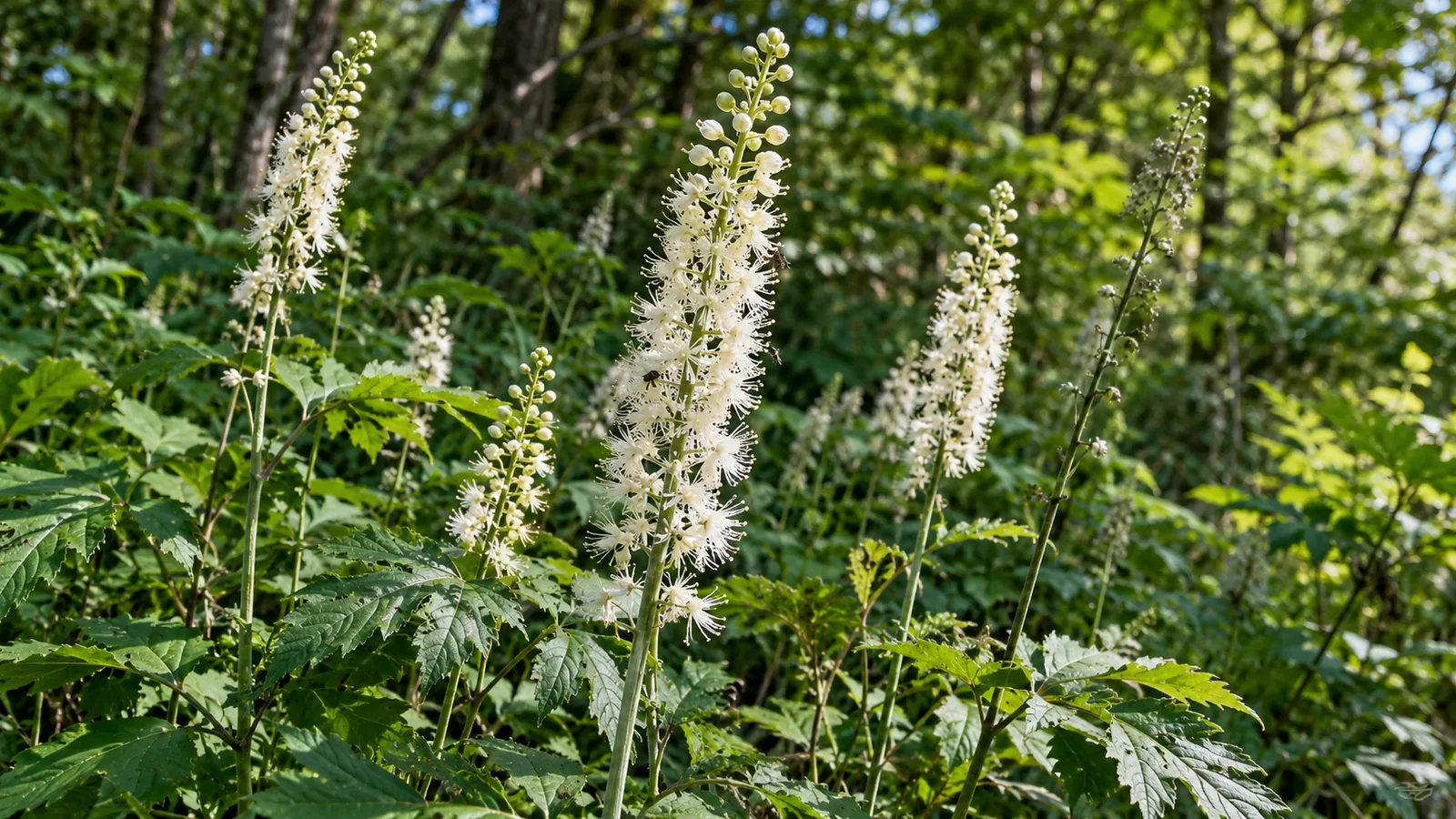
Black cohosh is the root of a North American woodland plant and the most widely used herb for menopause. It contains no hormones and no isoflavones.
Researchers think it may work through serotonin pathways, which help set the body's temperature, rather than through estrogen receptors.
A 2010 meta-analysis in Alternative Therapies in Health and Medicine found black cohosh improved hot flashes and related symptoms by about 26% compared with placebo. It is a staple of hot flash relief formulas.
2. Sage leaf
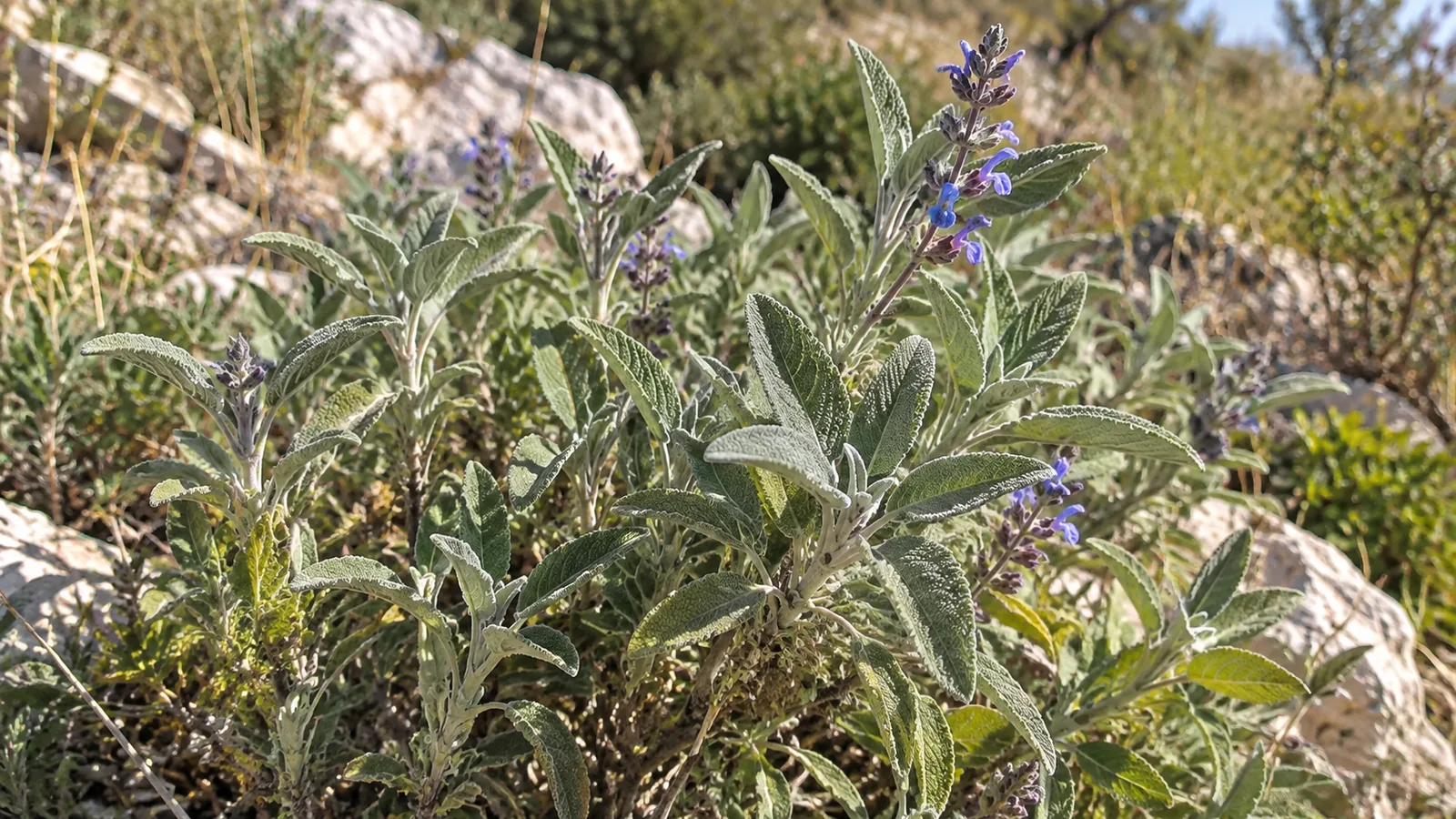
Sage is the kitchen herb, and it has been used for heavy sweating for generations. Like black cohosh, it isn't a phytoestrogen.
In a 2011 study in Advances in Therapy, 71 women took a daily fresh sage preparation. Hot flashes dropped by 50% at four weeks and by 64% at eight weeks.
The study had no placebo group, so it is promising rather than final. Sage often sits in formulas for night sweat relief, the same heat arriving at night.
3. Soy isoflavones
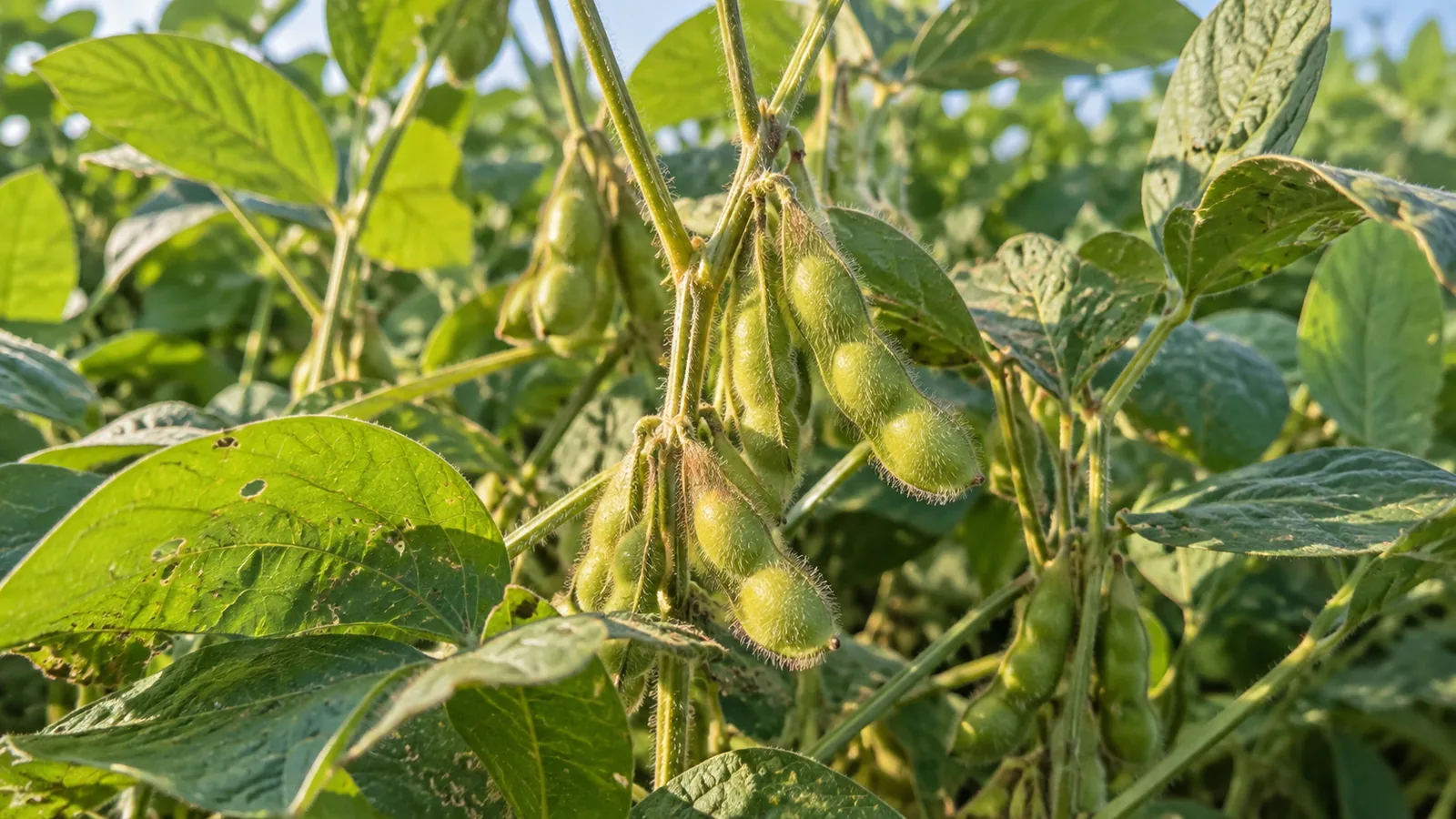
Soy isoflavones, mainly genistein and daidzein, are the best-known phytoestrogens. They are far weaker than the body's own estrogen.
A 2012 meta-analysis of 17 trials in Menopause found they reduced hot flash frequency by about 21% and severity by about 26% compared with placebo.
The effect built slowly over weeks, so soy rewards steady daily use. Women with a hormone-sensitive condition should ask their doctor before taking it.
4. Red clover
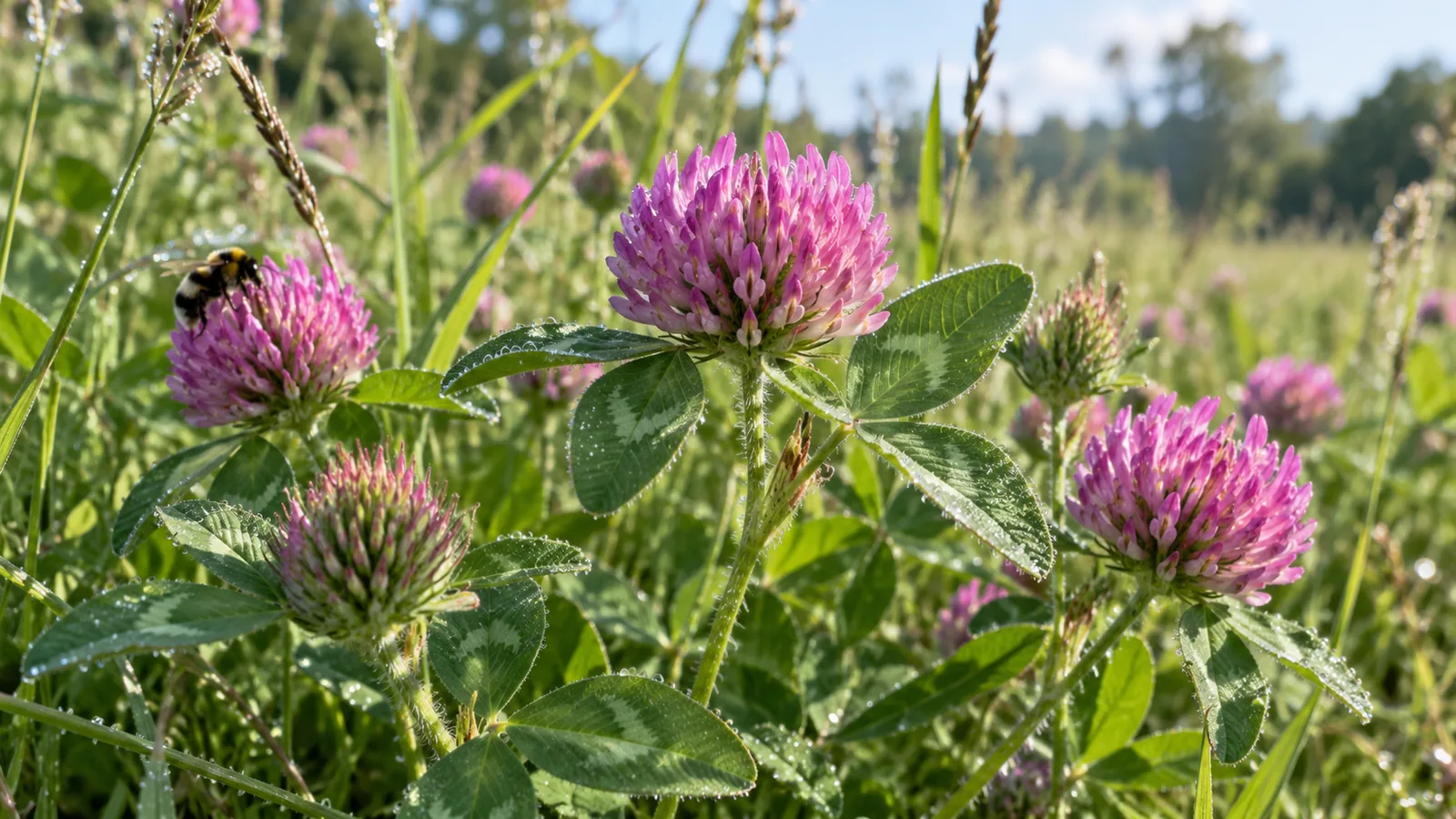
Red clover blossoms carry four isoflavones, including the two found in soy, which is why the two plants often share a formula.
A 2021 meta-analysis in Nutrients found red clover extract lowered the number of daily hot flashes compared with placebo, most clearly in women who had frequent ones.
Because it is a phytoestrogen, the same doctor conversation applies as with soy.
5. Chasteberry
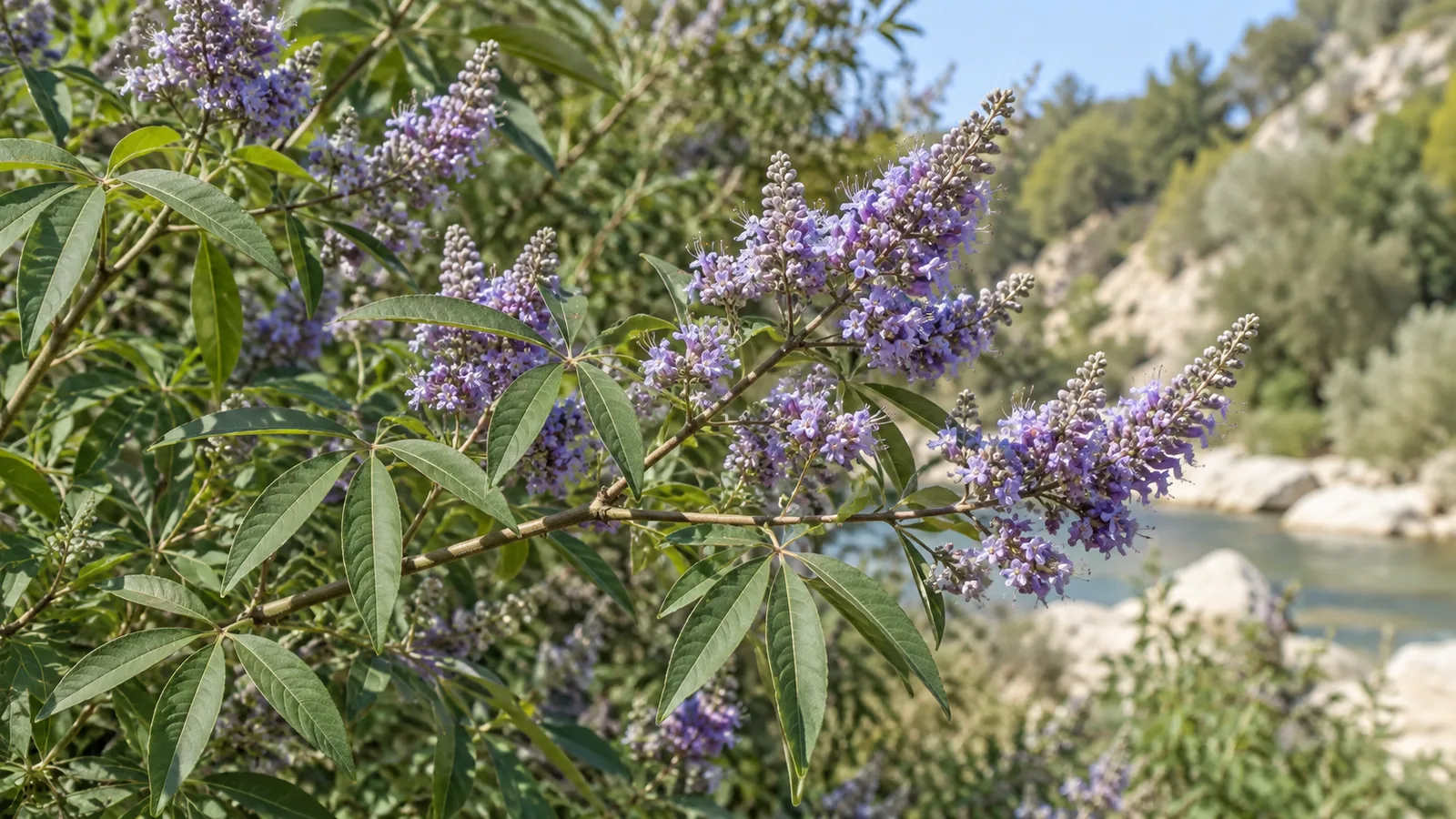
Chasteberry, also sold as vitex, is the fruit of a Mediterranean shrub. It is thought to act on prolactin, a hormone tied to cycle comfort, without supplying any hormone itself.
A 2001 trial in the BMJ found 52% of women taking it saw PMS symptoms improve, compared with 24% on placebo. That makes it useful for PMS relief while cycles are still running.
It fits best in a perimenopause supplement, when heat and cycle changes often show up together.
Non-hormonal supplements vs hormone therapy
These are two different tools, and it helps to be clear about what each one does well.
What hormone therapy does better
The Menopause Society's 2022 position statement calls hormone therapy the most effective treatment for hot flashes and night sweats. For healthy women under 60, it finds the benefits usually outweigh the risks.
If your hot flashes are severe and frequent, that conversation with your doctor is worth having, whatever you decide.
Where non-hormonal supplements fit
Botanicals suit women with mild to moderate symptoms, women who can't take hormones, and women who want to try a plant-based routine first.
Many also find that calmer nights make the next day easier, the link between menopause and sleep that most women notice first.
How to choose a non-hormonal menopause supplement
The right formula matches your main symptom, shows every dose, and fits a routine you'll keep.
Match it to your main symptom
For heat, look for black cohosh and sage first. If you need to avoid estrogen-like compounds, check the label for soy and red clover, and ask your doctor before choosing a formula that includes them.
Check every dose on the label
A long ingredient list can hide tiny amounts of each. Look for milligrams listed per active, then compare them with research doses. Our guide on how to choose a menopause supplement covers how to read a label in detail.
Give it 8 to 12 weeks
Most botanical trials measure results at 8 to 12 weeks. Take it daily with the same meal and note how often heat shows up before you judge it.
Non-hormonal menopause supplement FAQs
What is the best non-hormonal treatment for hot flashes?
Among supplements, black cohosh, sage, soy isoflavones, and red clover have the most research. There are also non-hormonal prescription options: fezolinetant was approved by the FDA in 2023, and low-dose paroxetine in 2013.
Is black cohosh a hormone?
No. It is a plant root with no hormones and no isoflavones, and research suggests it doesn't act like estrogen in the body.
Can I take non-hormonal supplements after breast cancer?
Talk to your oncologist before taking any supplement. Soy and red clover act on estrogen receptors, so they are the ingredients to discuss most carefully.
How long do non-hormonal menopause supplements take to work?
Most studies measure results after 8 to 12 weeks of daily use. Some women notice changes sooner, but a fair test takes two to three months.
Can I take non-hormonal supplements with HRT?
Ask your doctor first. Phytoestrogens from soy and red clover act on the same receptors as hormone therapy, so combining them should be a medical decision.
Can I start non-hormonal supplements in perimenopause?
Yes, many women start when hot flashes or cycle changes first appear. Chasteberry is most relevant while periods are still coming.